Introduction to the Fraud Model
To understand how an intelligent, financially literate person can lose hundreds of thousands of dollars to someone they have never met in person, you must discard the outdated stereotype of the "Nigerian Prince" scam. Modern relationship crypto scams are sophisticated psychological operations.
The industry often refers to this fraud model by a brutal metaphorical translation of its Chinese origin name: "Pig Butchering" (Sha Zhu Pan). The victim is the "pig." They are slowly "fattened up" with affection, attention, and the illusion of financial success before they are finally "slaughtered"—meaning their accounts are drained, and they are discarded.
In this comprehensive report, we will break down the exact operational mechanics of the syndicate, step-by-step, to help you recognize the patterns before the financial damage becomes irreversible.
Inside the Scam Syndicate
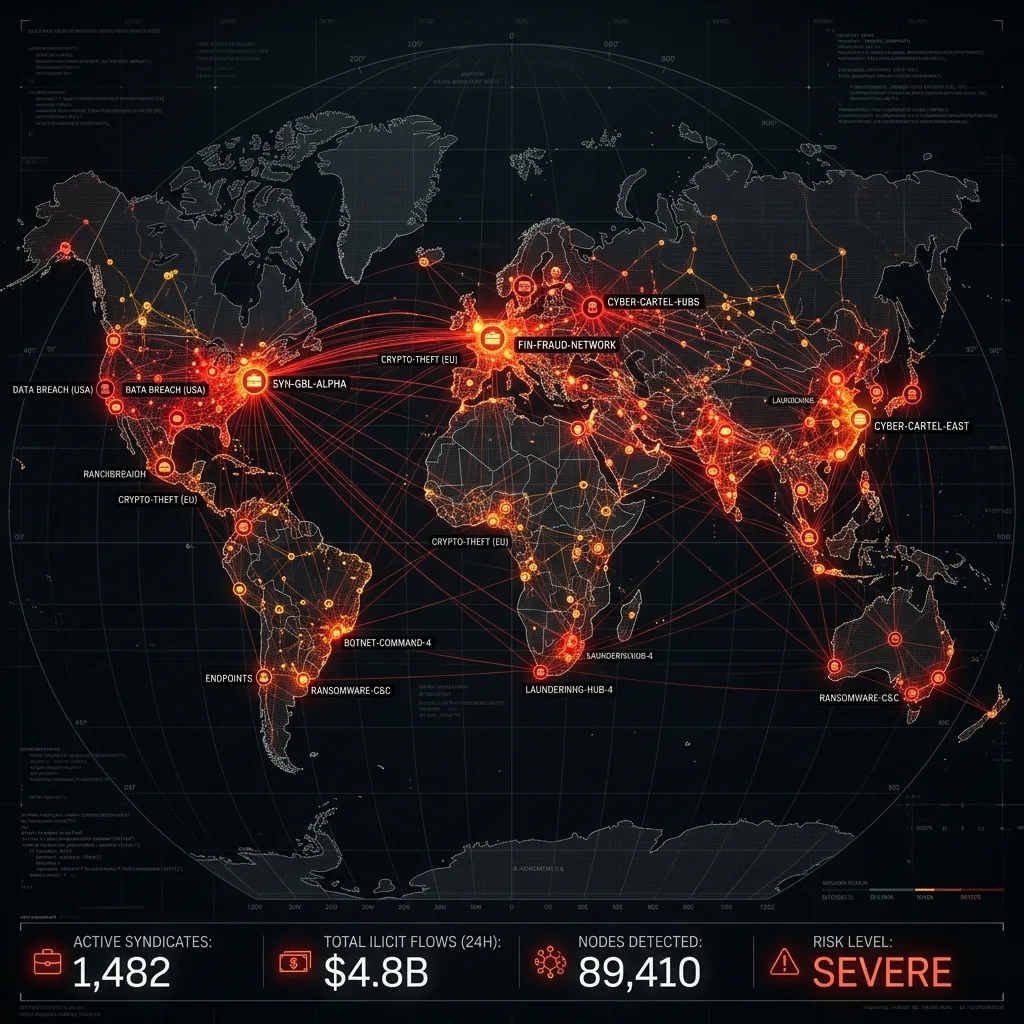
The person messaging you on WhatsApp is rarely acting alone. They are an employee within a massive criminal enterprise, operating out of secure compounds often located in Southeast Asian countries like Cambodia, Myanmar, and Laos. These operations are structured like modern tech companies:
- The "Keyboarders" (Frontline Agents): These are the individuals typing the messages. They work in shifts to maintain a 24/7 presence in your life. They follow incredibly detailed scripts provided by psychologists, dictating exactly what to say when you express doubt, sadness, or joy. Many of these workers are victims of human trafficking themselves, forced to scam under threat of violence.
- The "Host" (The Face): This is the attractive person you see in the photos and rare, heavily filtered 5-second video clips. They are paid to produce content—photos at high-end restaurants, golf courses, and luxury hotels—which the keyboarders use to build the persona.
- The Technical Team: Engineers who build the fraudulent cryptocurrency trading platforms. These platforms are designed to look identical to legitimate exchanges like Binance or MetaTrader, complete with live (but fabricated) price charts.
- The Money Launderers: Specialists who use decentralized exchanges, cross-chain bridges, and privacy mixers to obfuscate the stolen cryptocurrency before cashing it out at centralized exchanges.
Stage 1: Establishing the Connection
The scam begins with a highly targeted or completely random point of contact. The syndicate casts a wide net using several primary channels:
Dating Applications: Scammers purchase aged, verified accounts on Tinder, Bumble, or Hinge. They match with victims and rapidly attempt to move the conversation off the platform to WhatsApp or Telegram, citing that they "don't check this app often." This prevents the dating app's security algorithms from banning them.
The "Wrong Number" Text: You receive an SMS or WhatsApp message from an unknown number. "Hi, is this Dr. Smith? We have a dinner meeting tonight." When you reply that they have the wrong number, they apologize profusely, compliment your politeness, and strike up a conversation. "Fate brought us together. I am new to this city. Can we be friends?"
Professional Networks: Scammers target LinkedIn profiles, posing as successful entrepreneurs, venture capitalists, or import/export business owners. They frame the relationship as professional networking before introducing a romantic or friendly angle.
Stage 2: The Illusion of Wealth
Once communication is established on an encrypted app, the grooming begins. For weeks, cryptocurrency is never mentioned. The scammer focuses entirely on building an emotional bond. They wish you good morning, ask about your children, and share mundane details of their day.
Simultaneously, they begin building an illusion of immense wealth. They send photos from first-class flights, five-star restaurants, and luxury boutiques. When you ask what they do for a living, they claim to run a beauty business, a clothing line, or a logistics company. However, they will casually mention that their *real* wealth comes from a "side investment" managed by a brilliant relative—an "uncle in finance" or a "brother who is a blockchain analyst."
The psychological goal here is to make you aspire to their lifestyle. They want you to eventually ask *them* how they make so much money.
Stage 3: The Demonstration Trade
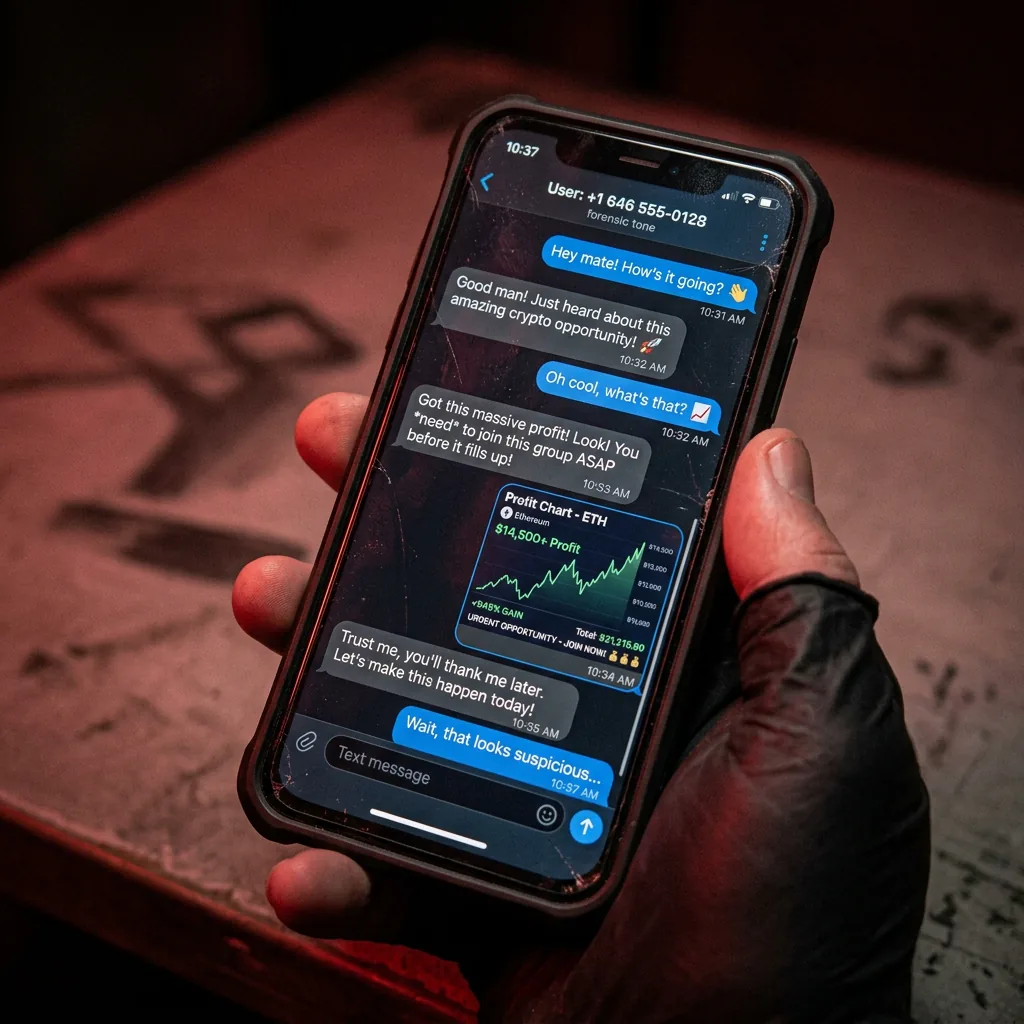
Eventually, the scammer will casually mention that they are about to make a trade because their "uncle" just gave them insider information regarding a "node fluctuation" or "short-term options contract." They will send a screenshot showing a massive profit made in just 15 minutes.
They will offer to teach you. If you show hesitation, they will use emotional leverage: "I just want us to build a future together. I want you to have financial freedom so we can travel."
They guide you to download a legitimate app like Crypto.com, Kraken, or Coinbase. This builds trust because you are using a famous, heavily regulated platform. They instruct you to purchase a stablecoin like USDT or USDC.
Then, the critical pivot: They tell you that Coinbase/Kraken is "just for buying," but to get the massive returns, you need to transfer the USDT to a "specialized VIP trading platform." They provide a link (e.g., `www.defiexchange-vip-node.com`). You transfer your funds from your legitimate exchange to this fraudulent website.
Stage 4: Capital Escalation
You log into the fake platform. The scammer tells you exactly which buttons to press (e.g., "Buy 60-second BTC Call Option"). Miraculously, you make a 20% profit in one minute. Your dashboard balance increases.
The scammer then encourages you to withdraw a small amount of money—perhaps $100—back to your Coinbase account and then to your bank. The withdrawal works perfectly. Your skepticism vanishes. You now believe the platform is entirely legitimate because you successfully withdrew cash.
This is the "fattening" phase. Convinced the system works, the victim begins pouring massive amounts of capital into the fake platform. They empty savings accounts, liquidate 401(k)s, and take out second mortgages. The scammer constantly pressures them: "There is a massive market movement tomorrow. If you deposit $100,000, we can upgrade you to a VIP node and double it."
Stage 5: The Extortion Phase
The scam collapses when the victim tries to withdraw their large balance, or when they tell the scammer they have absolutely zero money left to borrow or invest.
The victim hits "Withdraw" on the platform, but the transaction remains "Pending." A fake Customer Service agent contacts them via the platform's chat feature or WhatsApp. The agent states that the withdrawal has been flagged by the "International Financial Regulatory Authority."
To release the funds, the victim must pay a 20% "Capital Gains Tax," a "Security Deposit," or an "AML (Anti-Money Laundering) Clearance Fee." Crucially, the customer service agent states that this fee cannot be deducted from the account balance; it must be paid via a *new, external deposit*.
The scammer (the romantic partner) will act shocked. They will pretend to argue with customer service. They might even offer to "help" the victim pay the tax, saying, "I will wire $10,000 to your account if you can find the remaining $40,000." This is a lie to extract the absolute last dollar from the victim.
If the victim pays the tax, the scammers invent a new fee. A "cross-border transaction penalty." A "late fee." The cycle continues until the victim realizes it is a scam. At that point, the scammer blocks them, the website goes dark, and the devastating reality sets in.
Forensic Tracing & Investigation
When the money was transferred from the legitimate exchange (Coinbase) to the fraudulent platform, it did not actually go to a trading desk. It went directly into a cryptocurrency wallet controlled by the syndicate.
Because cryptocurrency transactions are recorded on public ledgers (like the Ethereum or Tron blockchains), the movement of these stolen funds can be forensically traced.
Professional blockchain investigators deploy specialized software to track the stolen USDT as it moves through the syndicate's laundering network. The syndicate will often break the funds apart, send them through multiple intermediary wallets, or use cross-chain bridges to try and lose investigators.
However, the ultimate goal of the syndicate is to turn that USDT into fiat currency to pay their operational costs. To do this, they almost always deposit the funds into a centralized cryptocurrency exchange (like Binance or OKX) in jurisdictions with lax compliance. By tracing the funds to these specific deposit addresses, a forensic investigator can provide law enforcement with the exact transaction hashes needed to subpoena the exchange and identify the launderers.
If you believe you are currently entangled in a relationship crypto scam, do not alert the scammer. Secure your transaction history from your legitimate exchange, screenshot all conversations and website URLs, and seek professional investigative assistance immediately.